


Written for homeowners, drivers and business owners across Nassau and Suffolk County.
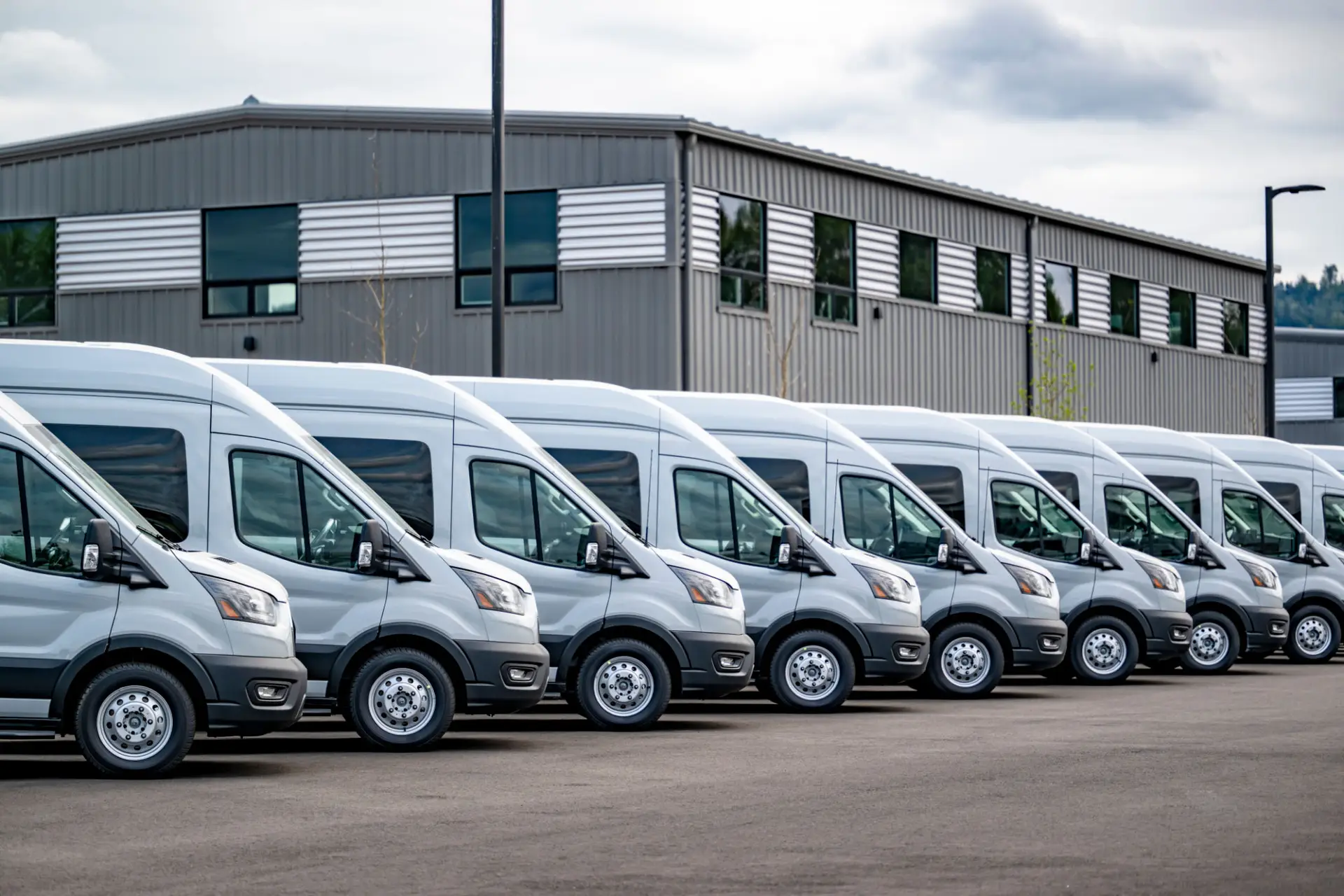
Commercial auto insurance can include liability, no-fault benefits, uninsured motorist protection, collision, comprehensive, towing, and rental coverage for eligible business vehicles. The policy must match vehicle ownership, operations, drivers, territory, and any state or contract requirements.
Personal auto policies may exclude or restrict deliveries, transporting clients or goods, vehicles titled to a business, employees driving, or other regular commercial use. Disclose the actual work activity rather than assuming occasional or mixed use is covered.
Approved employees can generally be covered while permissively operating scheduled business vehicles, subject to the policy and driver eligibility. Maintain an accurate driver list, review motor-vehicle records, and report new drivers or material changes promptly.
Hired auto liability addresses certain vehicles the business rents or leases short term. Non-owned auto liability addresses certain employee-owned vehicles used for business; it generally protects the business’s liability and does not replace the owner’s personal auto insurance.
Commercial auto physical damage normally covers the insured vehicle, not all tools, stock, or equipment inside it. Inland marine, contractors equipment, or business property coverage may be needed for items that travel between vehicles, offices, and job sites.
Provide vehicle VINs, ownership and garaging, radius and territory, annual mileage, use, cargo, driver names and licenses, loss runs, and current limits. Disclose trailers, permanently attached equipment, hired vehicles, and employees using personal cars for work.