
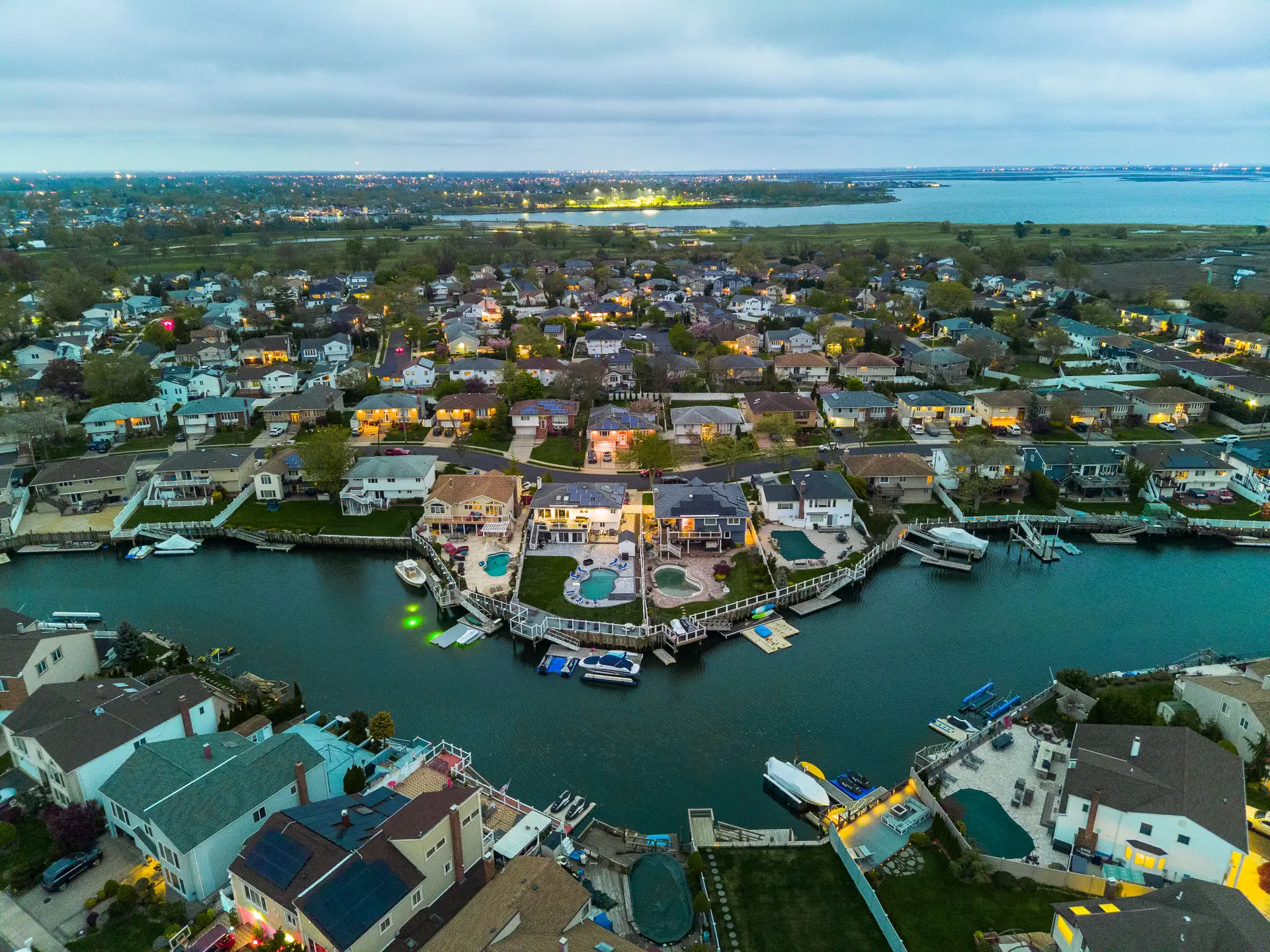
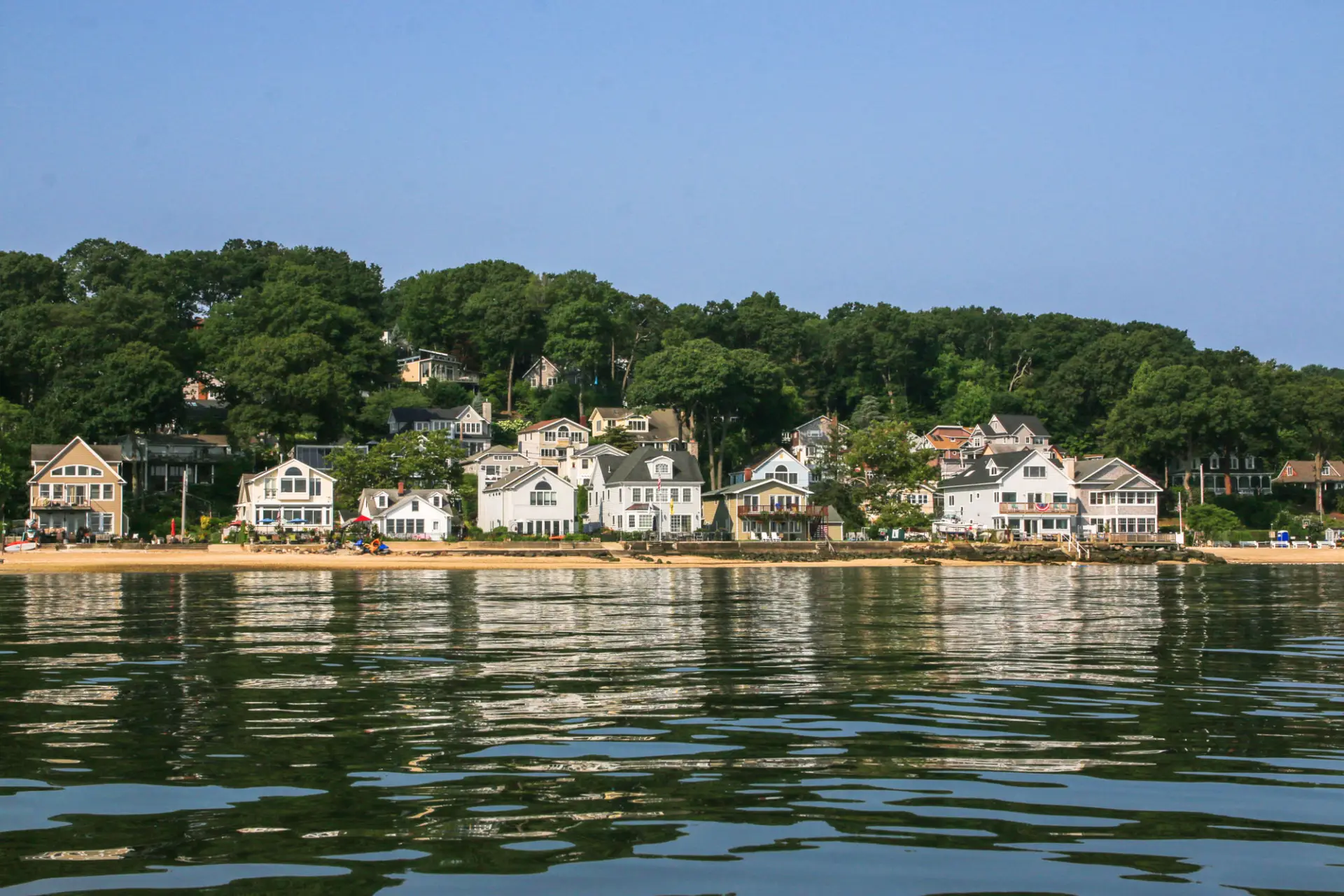
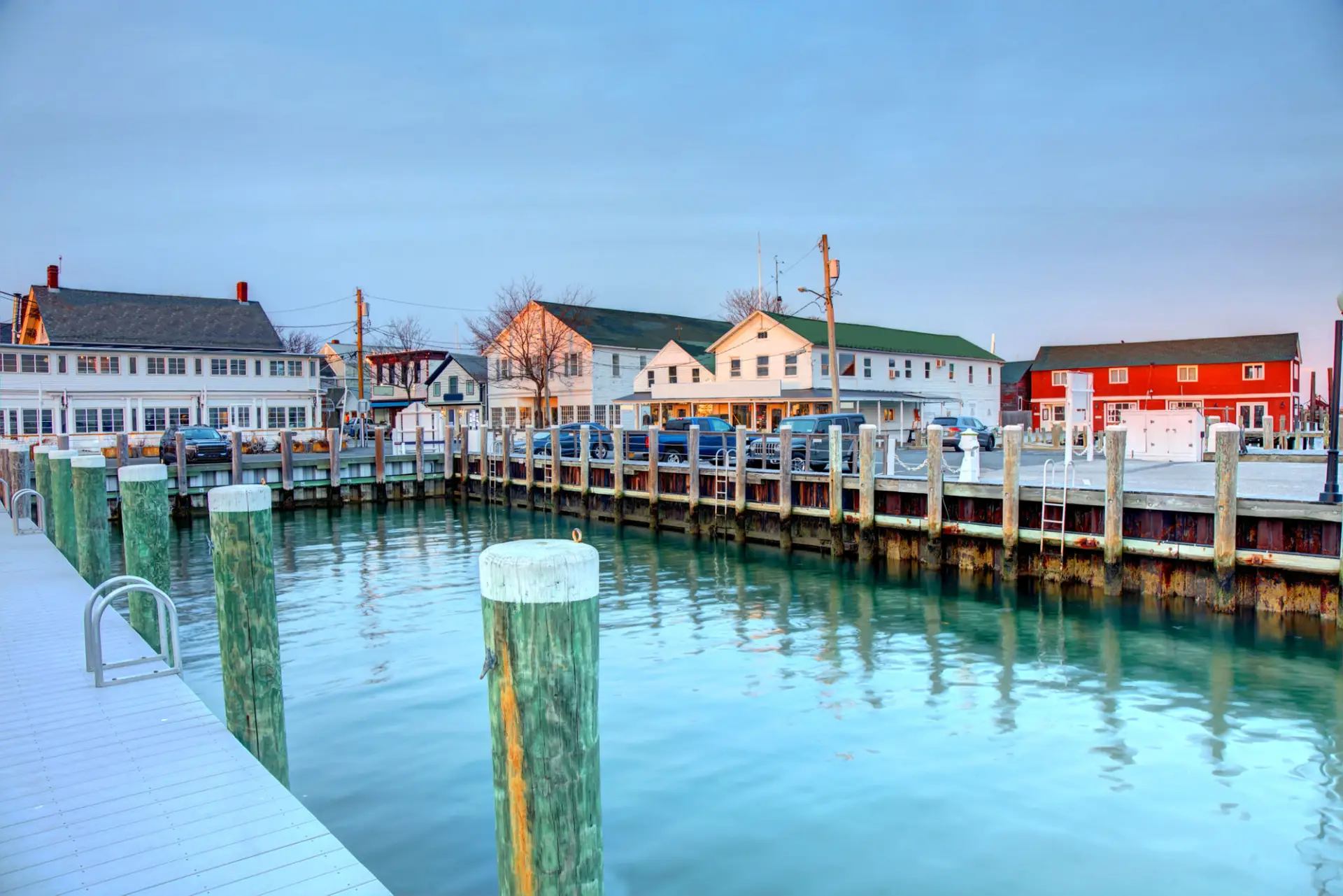
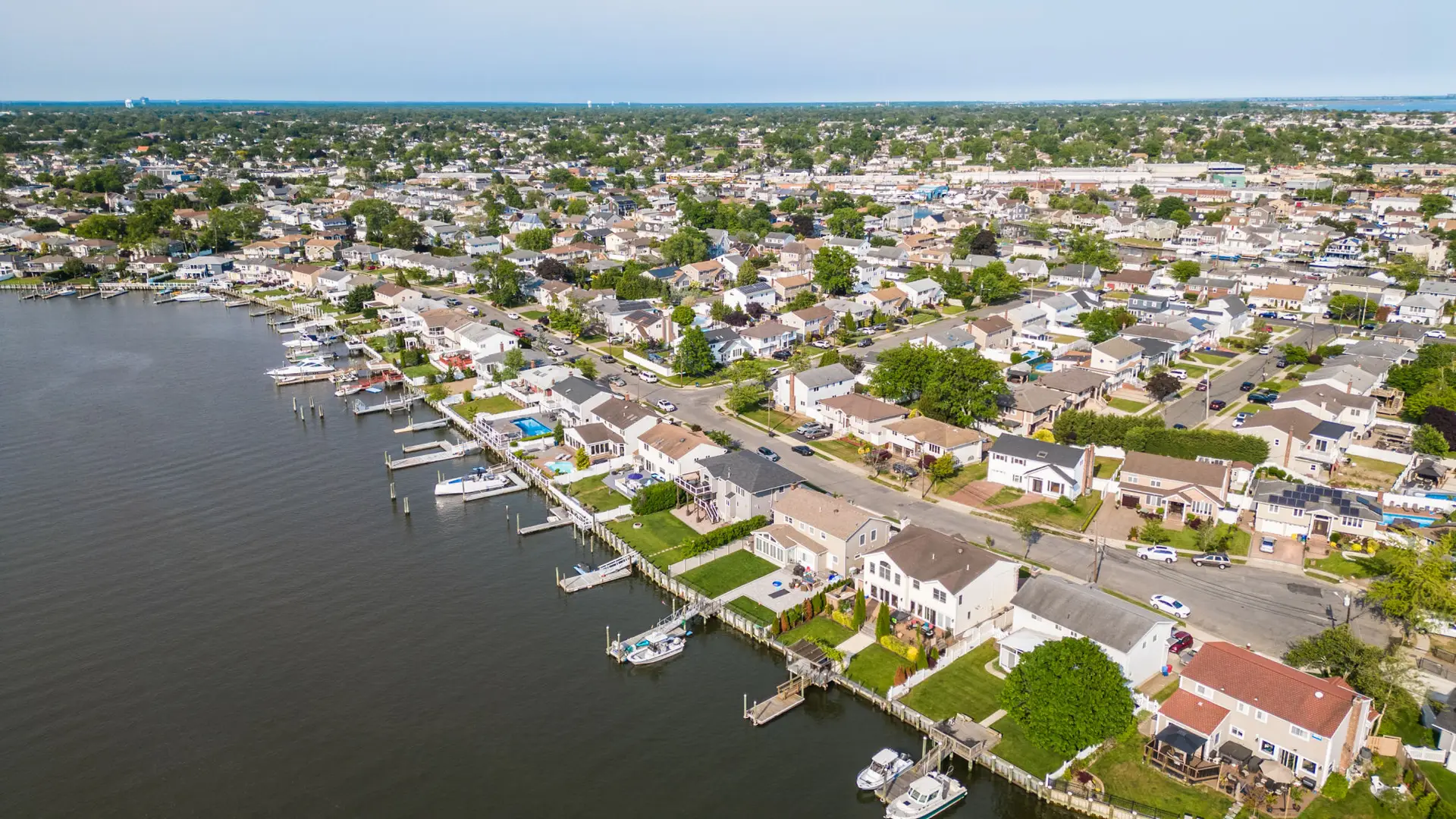

Written for homeowners, drivers and business owners across Nassau and Suffolk County.
Coastal homeowners insurance is property and liability coverage arranged for homes with increased wind, hurricane, saltwater, and catastrophe exposure. Depending on the location and carrier, homeowners and wind coverage may be combined or written through separate policies.
Coastal policies may use different wind or hurricane deductibles, inspections, roof requirements, exclusions, and underwriting rules. Distance to water, elevation, construction, storm protection, roof condition, and prior losses can affect both availability and price.
A coastal policy may apply a separate windstorm or hurricane deductible, sometimes calculated as a percentage of the dwelling limit rather than a flat dollar amount. Review the trigger, percentage, and out-of-pocket amount before choosing a policy.
Homeowners and wind policies generally exclude flooding and storm surge, even when a hurricane causes the water damage. Separate flood insurance should be evaluated for the building and contents, along with any waiting period.
Important factors can include location, replacement cost, roof age and shape, building materials, elevation, shutters or impact protection, occupancy, coverage limits, deductibles, and claims history. Carrier appetite can also change by coastal territory.
Provide the address, year built, square footage, roof age and material, construction type, updates, protective devices, prior claims, elevation or flood information, and any wind-mitigation or inspection reports. Accurate documentation can expand options and identify eligible credits.