


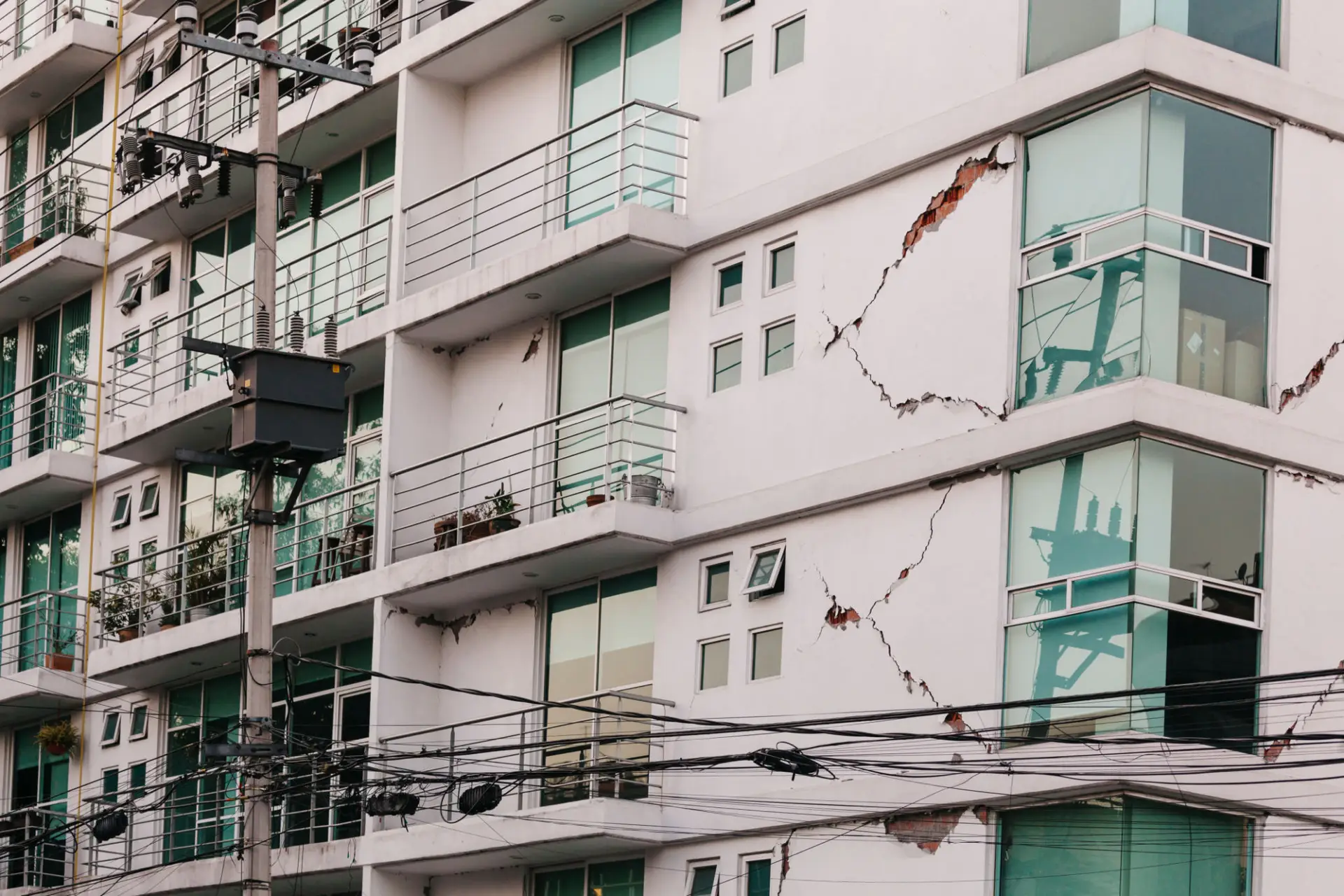
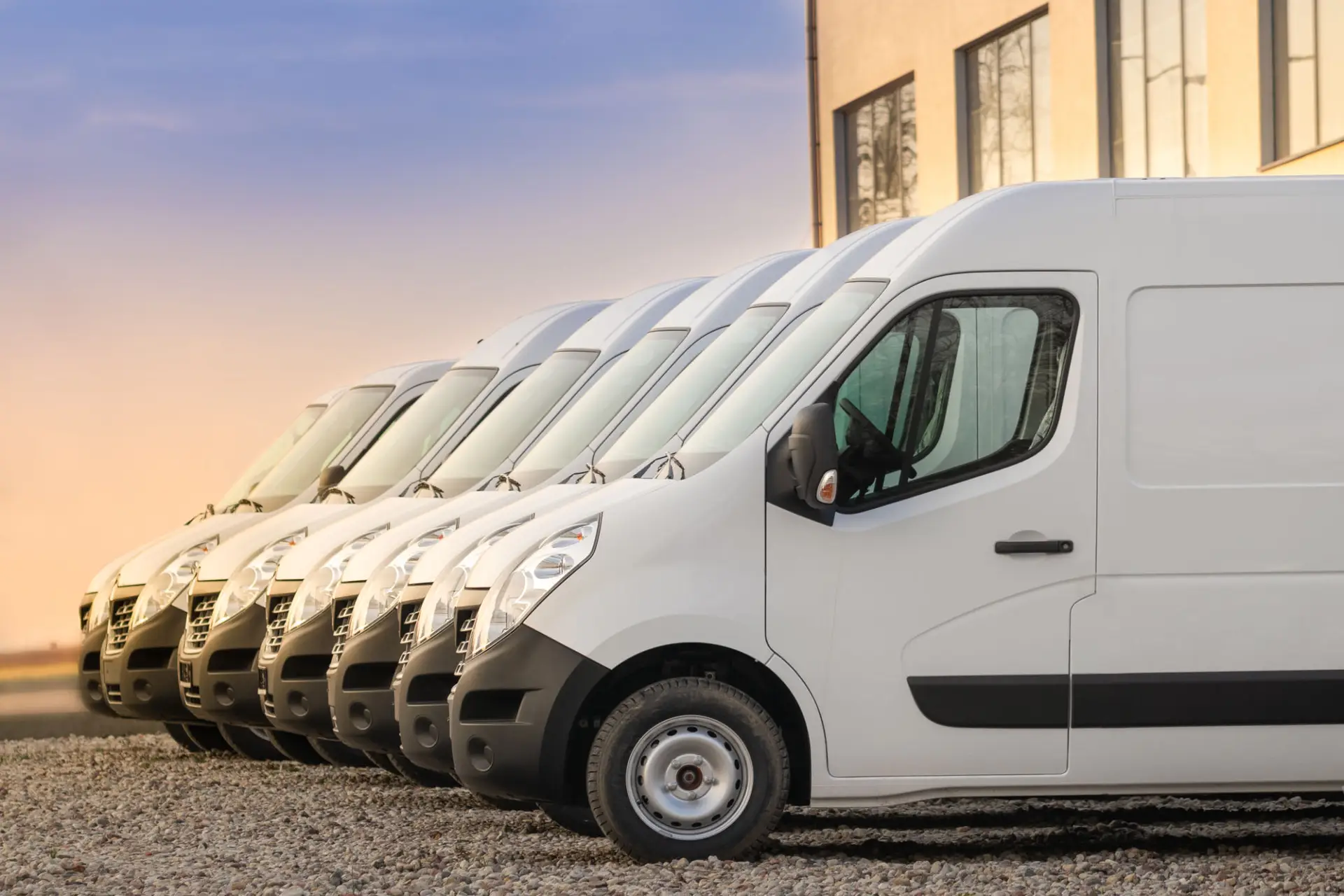
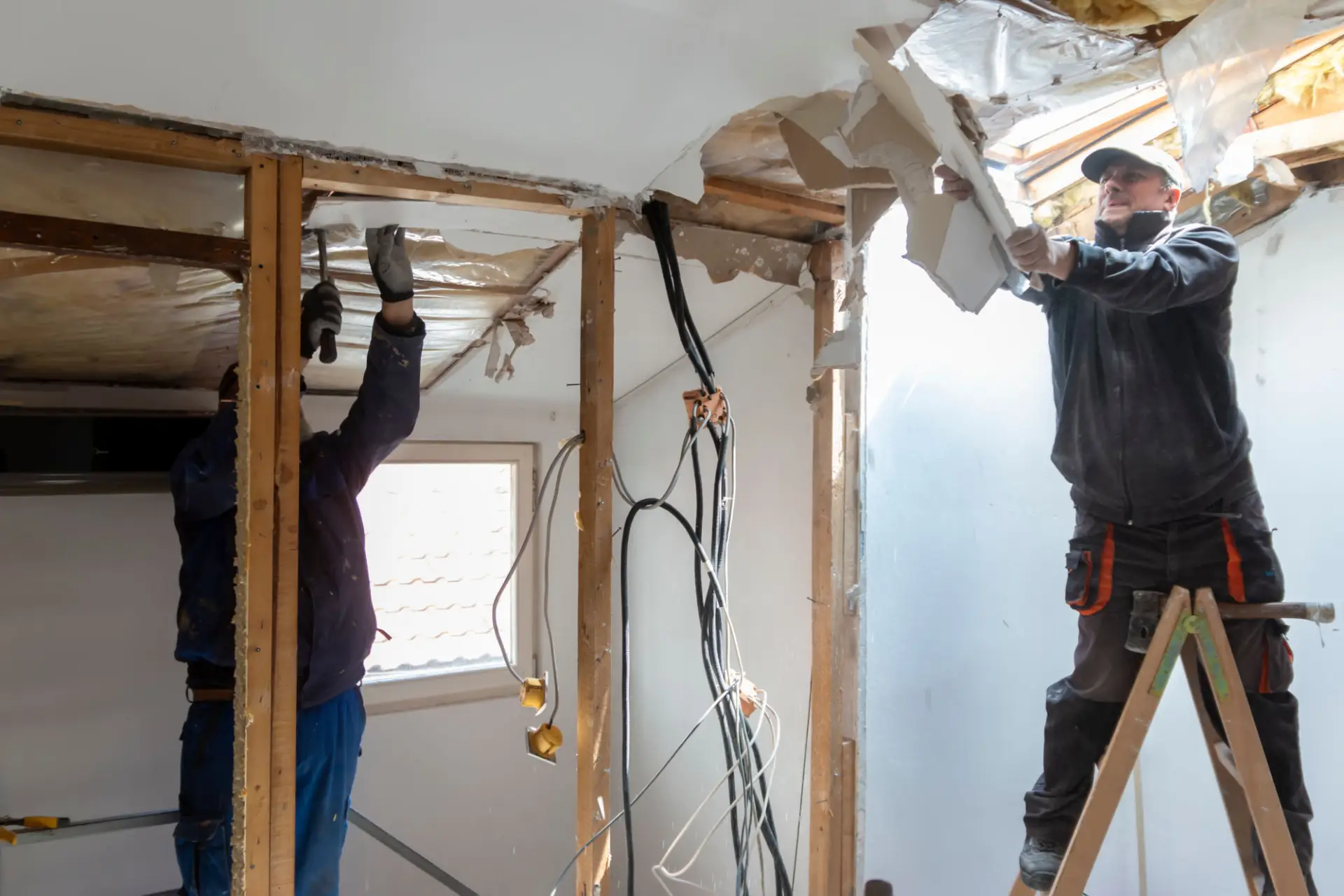

Common construction coverages include general liability, workers’ compensation, commercial auto, contractors equipment or inland marine, builders risk, professional liability, pollution, and umbrella or excess liability. The correct program depends on trade, project type, contracts, employees, vehicles, and equipment.
Contractors general liability may cover certain third-party bodily injury, property damage, and completed-operations claims arising from covered work. It does not replace workers’ compensation, auto, professional liability, pollution, or coverage for the contractor’s own faulty work.
Builders risk covers eligible buildings, materials, and sometimes temporary works during construction or major renovation against specified causes of loss. The owner and contractor should agree who buys it, which parties are included, when coverage starts and ends, and how the completed value is calculated.
Inland marine or contractors equipment coverage can protect eligible tools and equipment that move among storage, vehicles, and job sites. Schedule high-value items and review theft requirements, unattended-vehicle limitations, rental equipment, and valuation.
General contractors commonly require subcontractors to carry their own policies and provide certificates, but a certificate alone does not change coverage. Written contracts, additional-insured endorsements, waiver provisions, and current certificates should be managed together.
Prepare trade and project descriptions, revenue, payroll by job class, subcontractor costs, certificates, contracts, vehicles, drivers, equipment values, territories, licenses, current policies, and loss runs. Accurate classification is essential for coverage and premium.